Hygiene in The Bathroom | Duravit

Cleaning, Disinfecting, and Preventive Strategies
The ideal bathroom is more than just a purely
functional space: it is a place for relaxation and comfort. Thoughts about how
dirty things are can disrupt this calm. But how can you prevent these nagging
thoughts without a lot of heavy cleaning? How close can the shower be to the toilet for proper
bathroom hygiene? What else needs to be considered in order to clean the bathroom properly?
The following article provides answers to these questions and describes the
features and materials that contribute to maintaining good hygiene in the bathroom.
General Tips for Bathroom Hygiene
You can maintain good bathroom hygiene by paying attention to a few simple things in your daily routine. This will also make cleaning the bathroom a lot easier when the time comes.
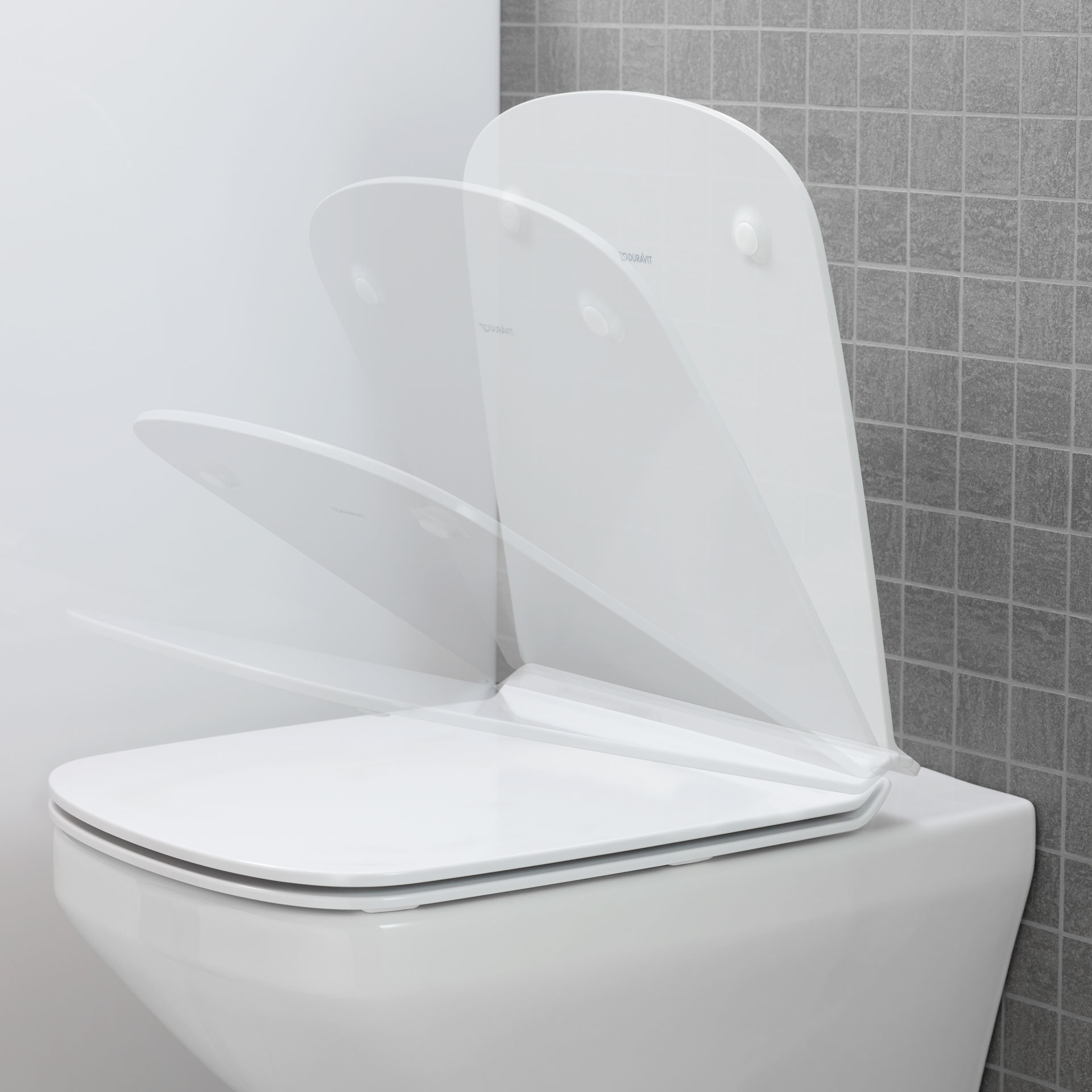
1. Flush the toilet with the lid closed
Flushing the toilet agitates the wastewater. Even with
the best flushing technology, these particles can get into the air and spread
throughout the bathroom. That's why the lid should be closed before you flush.
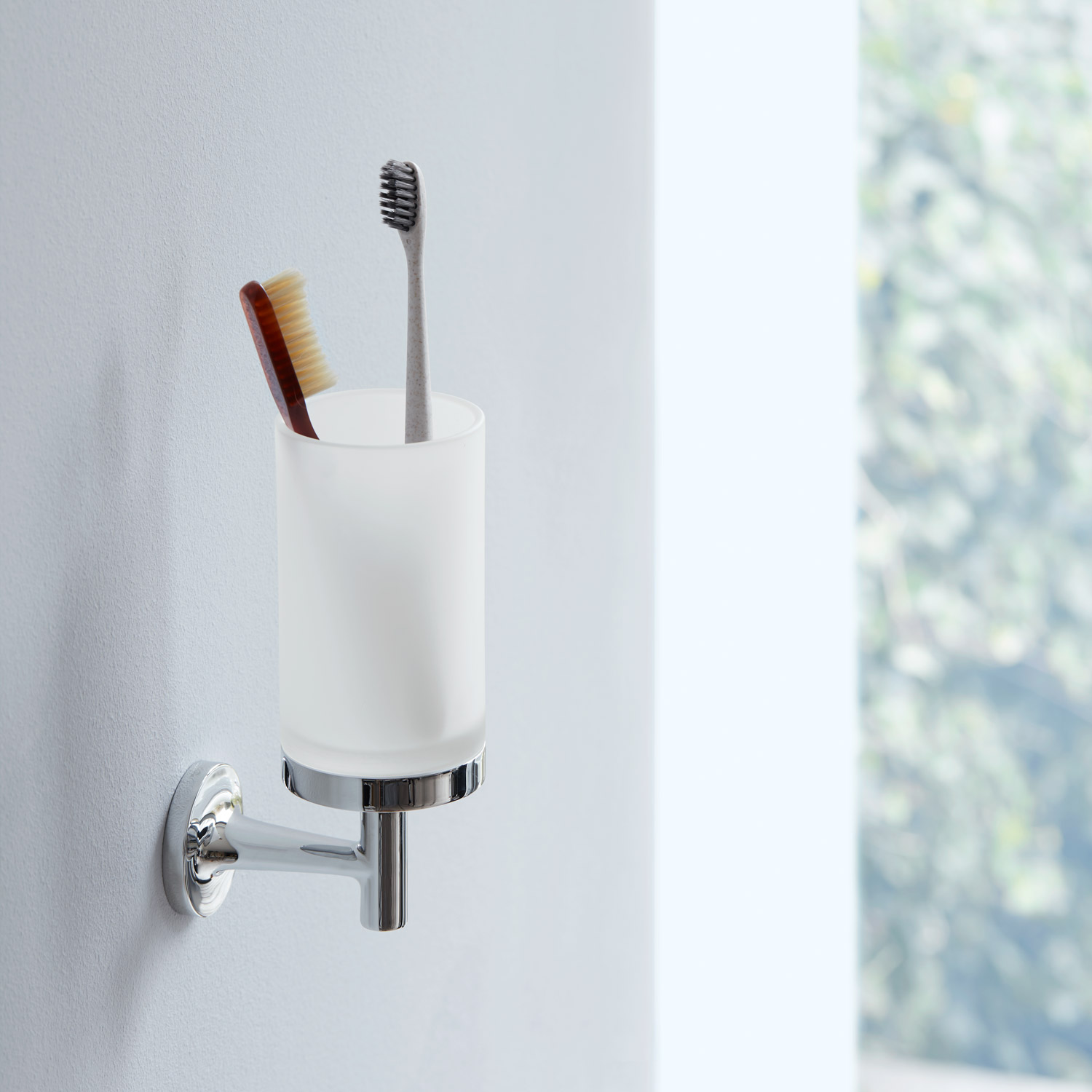
2. Change out toothbrushes, towels, etc. on a regular basis
Many items in the bathroom, such as washcloths, towels and toothbrushes, are intended for personal hygiene. Other items for cleaning specific objects or the room itself, such as toilet brushes or sponges, are also often kept in the bathroom. It goes without saying that germs build up on these items, which is why they should be replaced on a regular basis in order to maintain proper bathroom hygiene. Replace used towels with freshly washed ones and, in the case of toothbrushes and the like, replace them with new items.
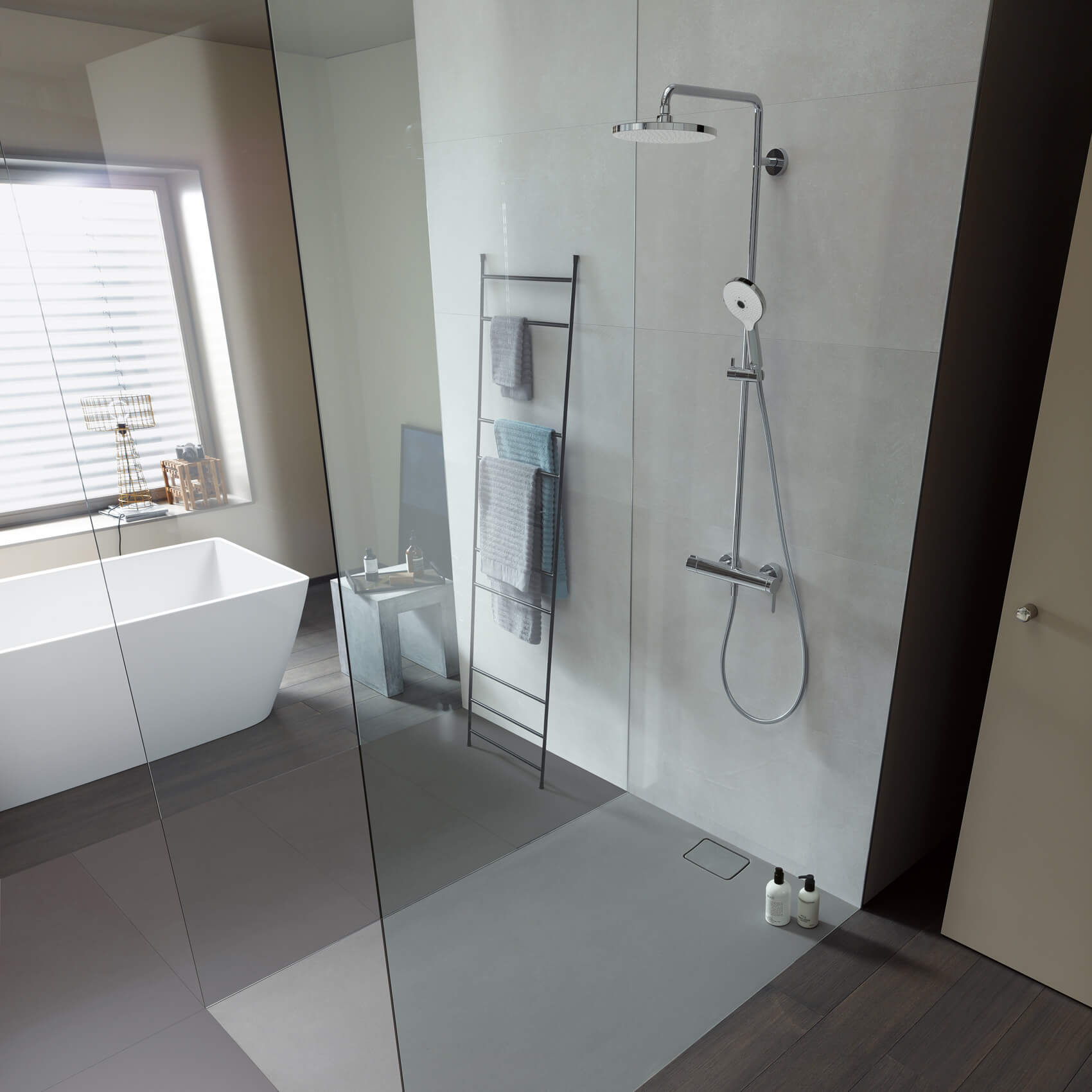
3. Dry everything properly
The items mentioned above come into regular contact
with moisture. That's why it's important to allow them to dry properly. This
should be done in an open space with plenty of fresh air. Don't put the
toothbrush you just used right back into a closed bathroom cabinet. Used towels
shouldn't be bunched up but should instead be hung as wide and flat as
possible, while shower curtains dry best when they are stretched flat against
the outside of the shower or bathtub.
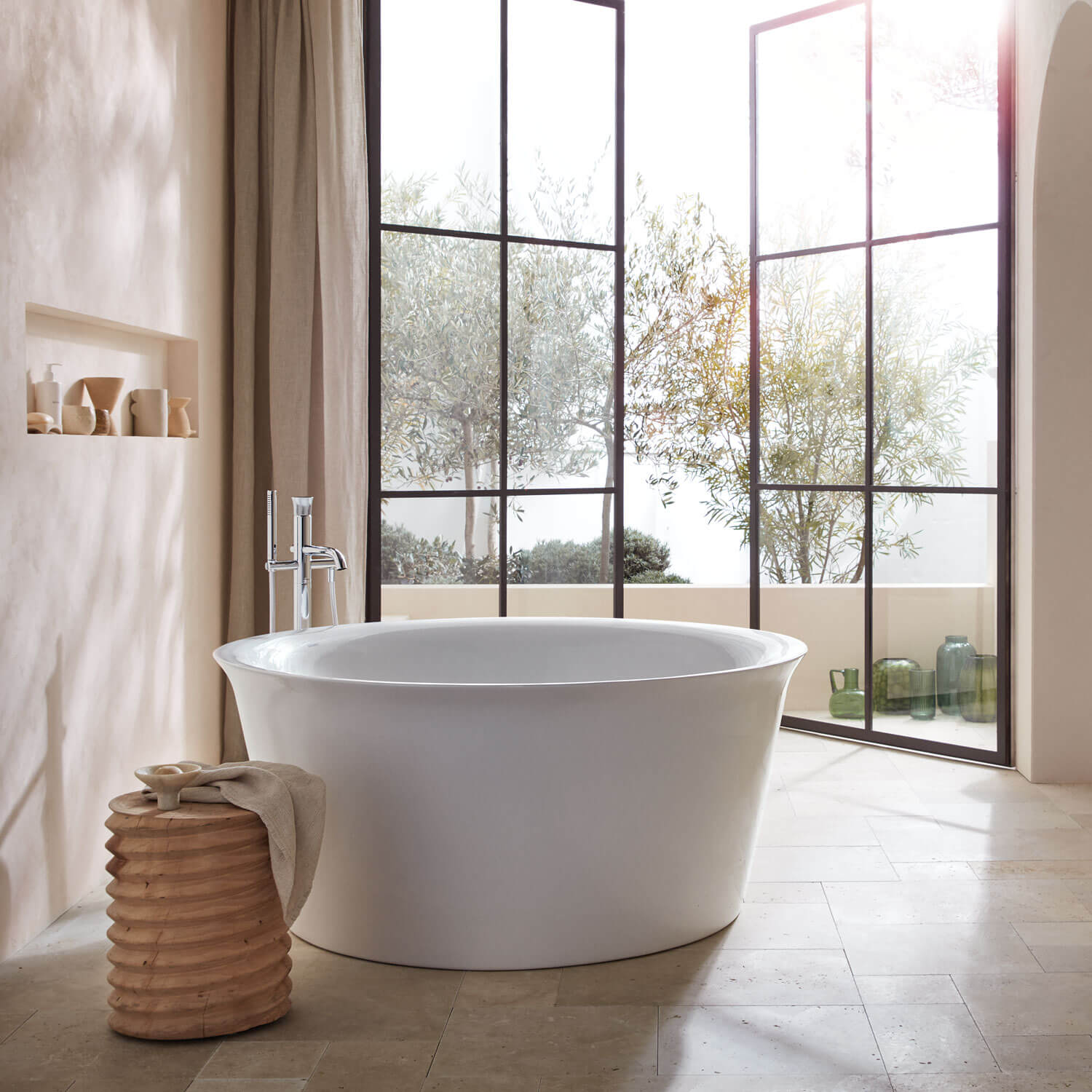
4. Ensure proper ventilation regularly
Regular and adequate ventilation is especially important in the bathroom. Otherwise, mold can easily form because of the high humidity levels. Also, be sure to open the doors and windows while cleaning the bathroom. Even bathrooms without any windows need to be properly ventilated. When the weather is colder, it is important to heat the bathroom back up to a comfortable temperature after closing the windows.
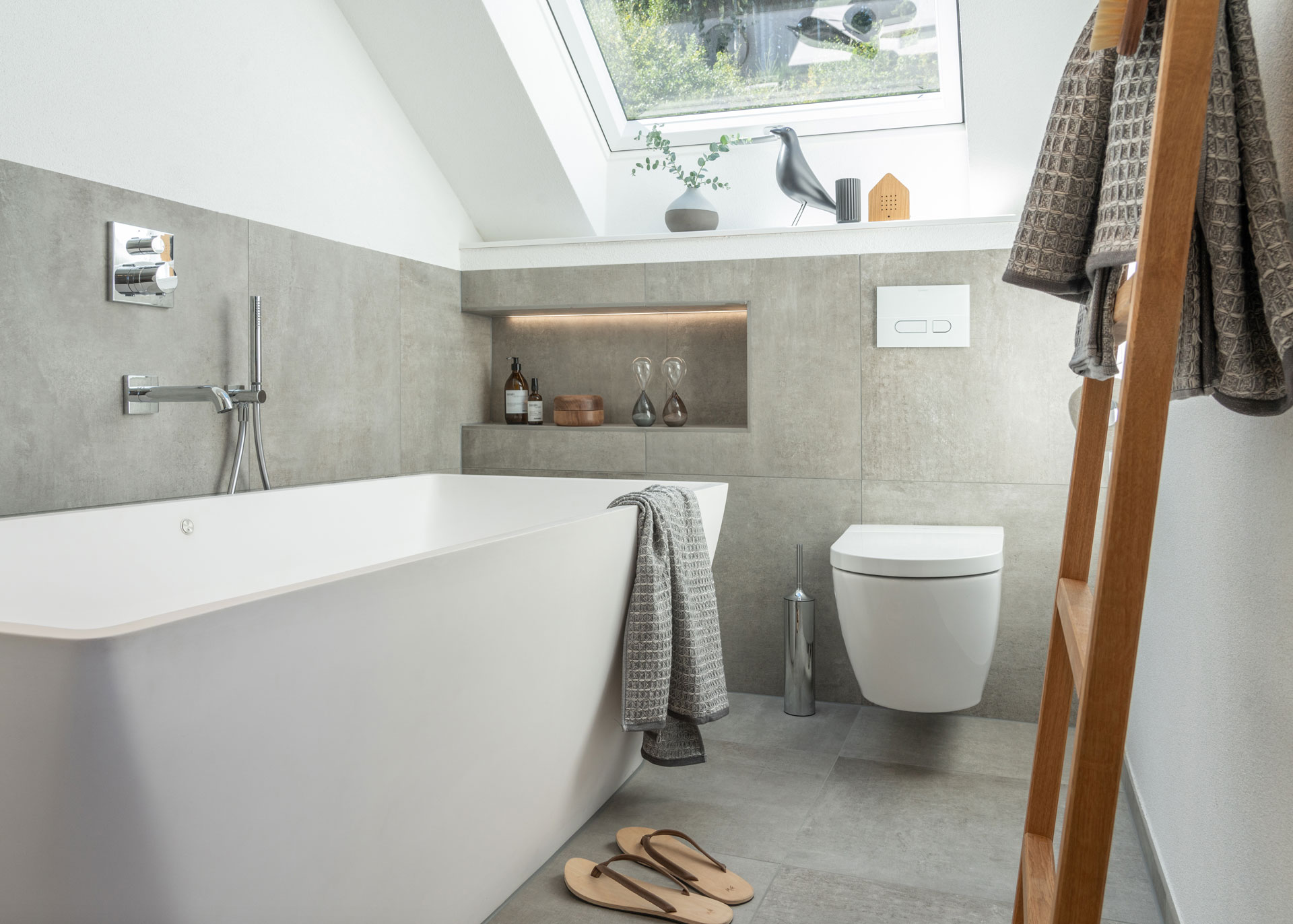
5. How to arrange items
Make your life easier by not placing items that are
negatively affected by water too close to the shower or bathtub. This tip also
applies to the toilet in particular. In general, there should be at least about
1.5 ft (40 cm) between the toilet and other items in all directions.
Our tip:
In order to properly plan how sanitary installations are best laid out, it is helpful to consider the bathroom floor plan carefully.
3 Tips for Cleaning the Bathroom
Regular cleaning is essential for maintaining proper bathroom hygiene. However, a
deep cleaning isn't necessary every time you clean. Here's how you can keep
your bathroom spotless with minimal effort:
1. Weekly deep cleaning
As a rule, cleaning the bathroom doesn't have to involve a ton of effort.
You can get the job done quickly
and efficiently by carrying out the following steps about once a week:
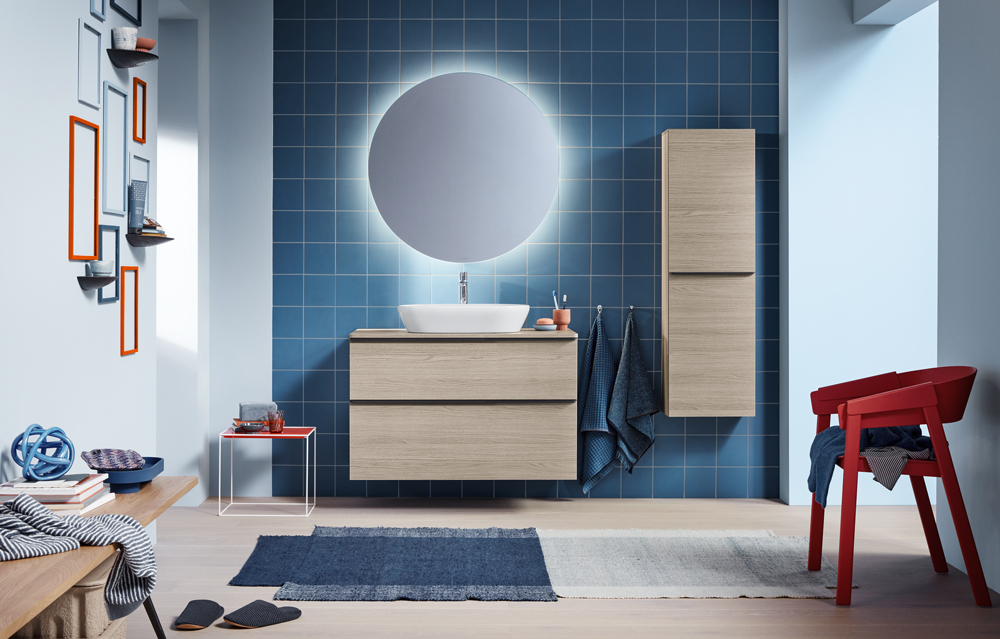
Vacuum and dust: For this, you should
also remove items like floor coverings, rugs, trash cans, etc. from the
bathroom so you can easily reach all areas.
Clean the toilet: With regular
cleaning, all you have to do is wipe down surfaces with a cloth and cleaner,
and put some toilet cleaner in the toilet bowl to keep it hygienic. Let the cleaner sit for about 15
minutes to take effect, then clean the inside of the toilet with a toilet
brush. After a final flush, you're all done.
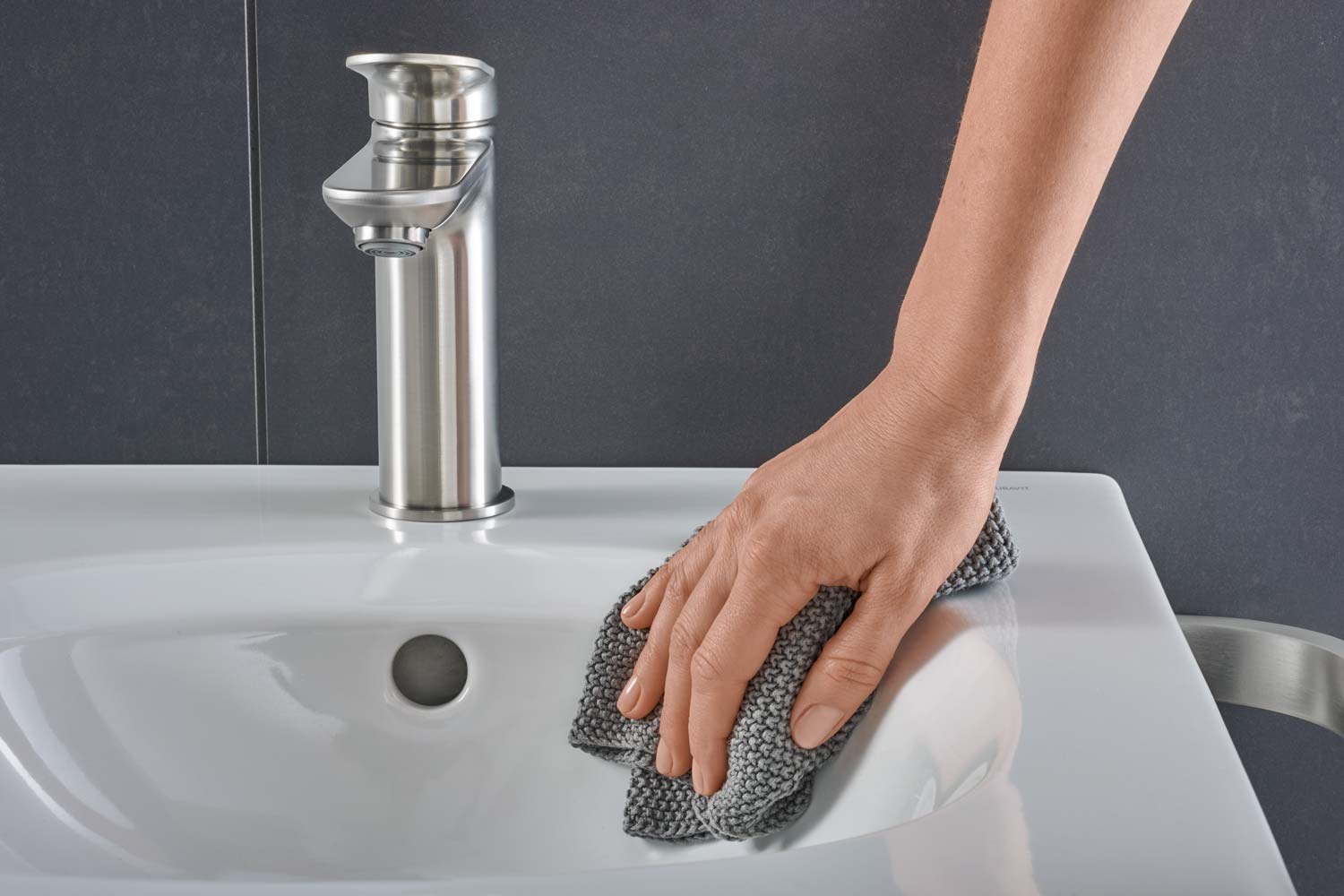
Wipe down the sink: To wipe down the
sink, all you usually need is a little cleaner on a damp cloth. In some cases,
it's a good idea to clean the
sink every 3 or 4 days, especially if it is used often, such as in the
main family bathroom.
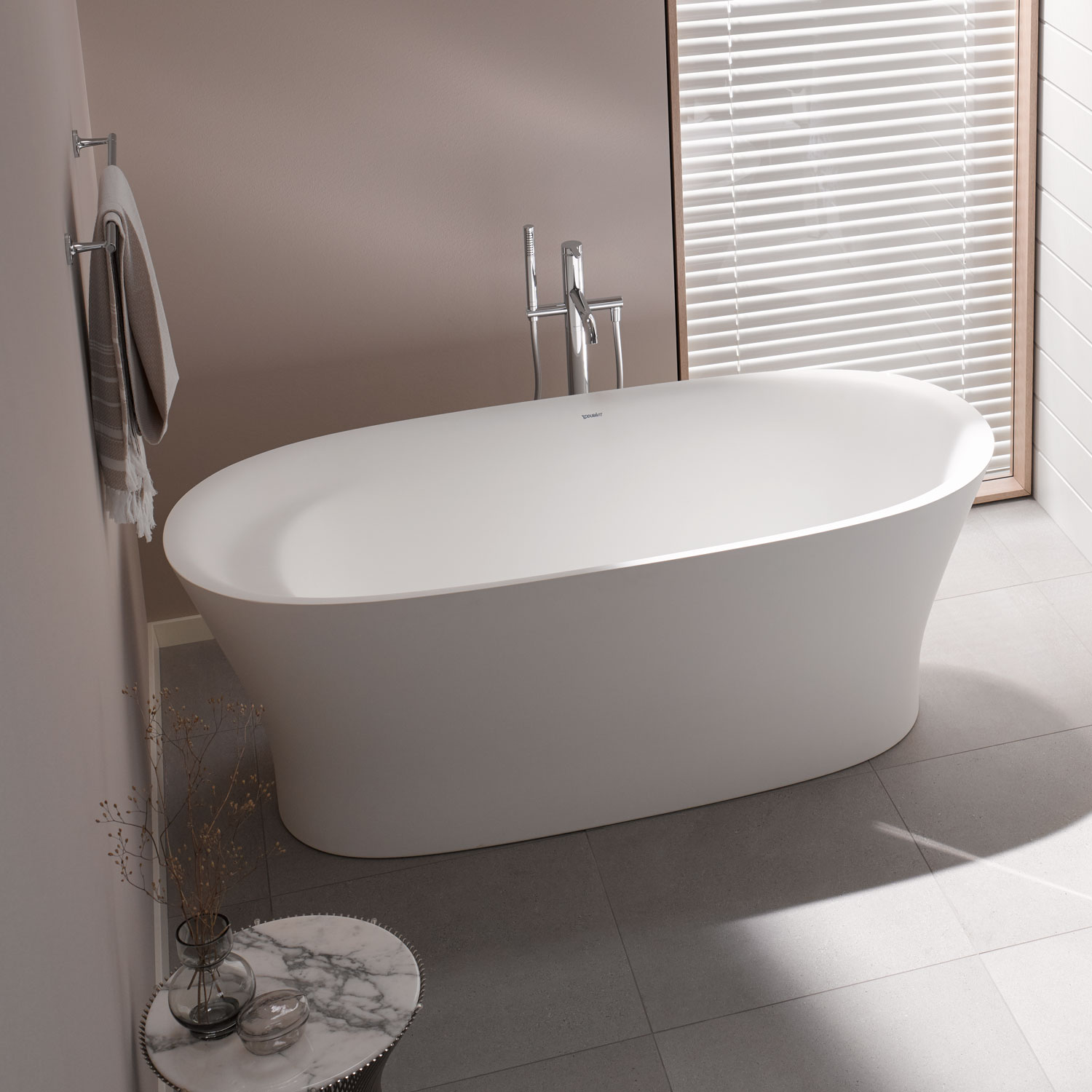
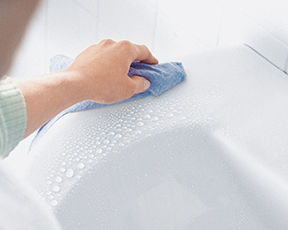
Clean the shower and bathtub: Here, too, wiping these down with a little cleaner is all that is
needed. In addition, any floor tiles or walls that get wet during use should be
dried with a cloth or shower squeegee immediately after finishing your bath or
shower.
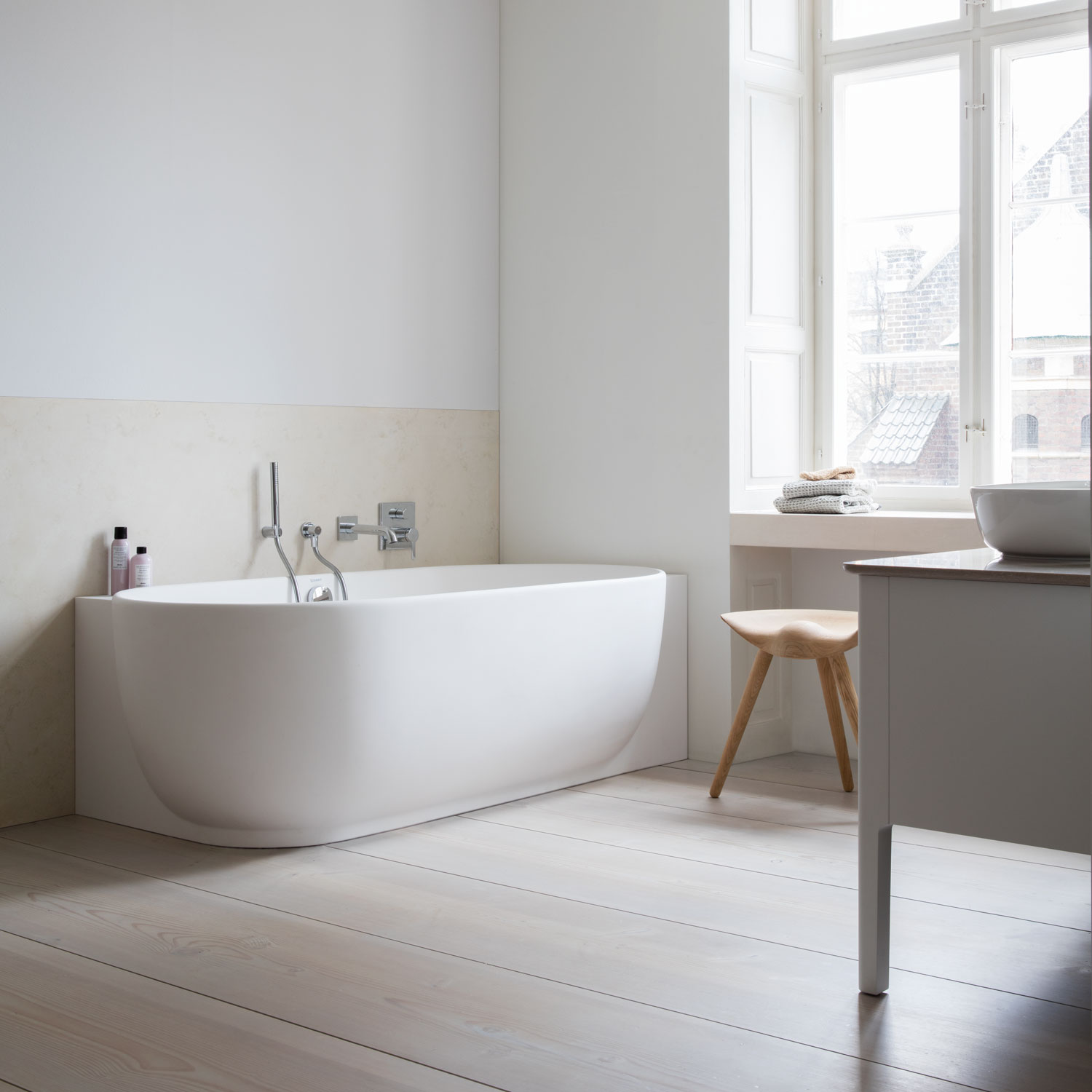
Wipe the floor: Depending on how
dirty the floor is, it may be a good idea to wipe it down with a damp cloth.
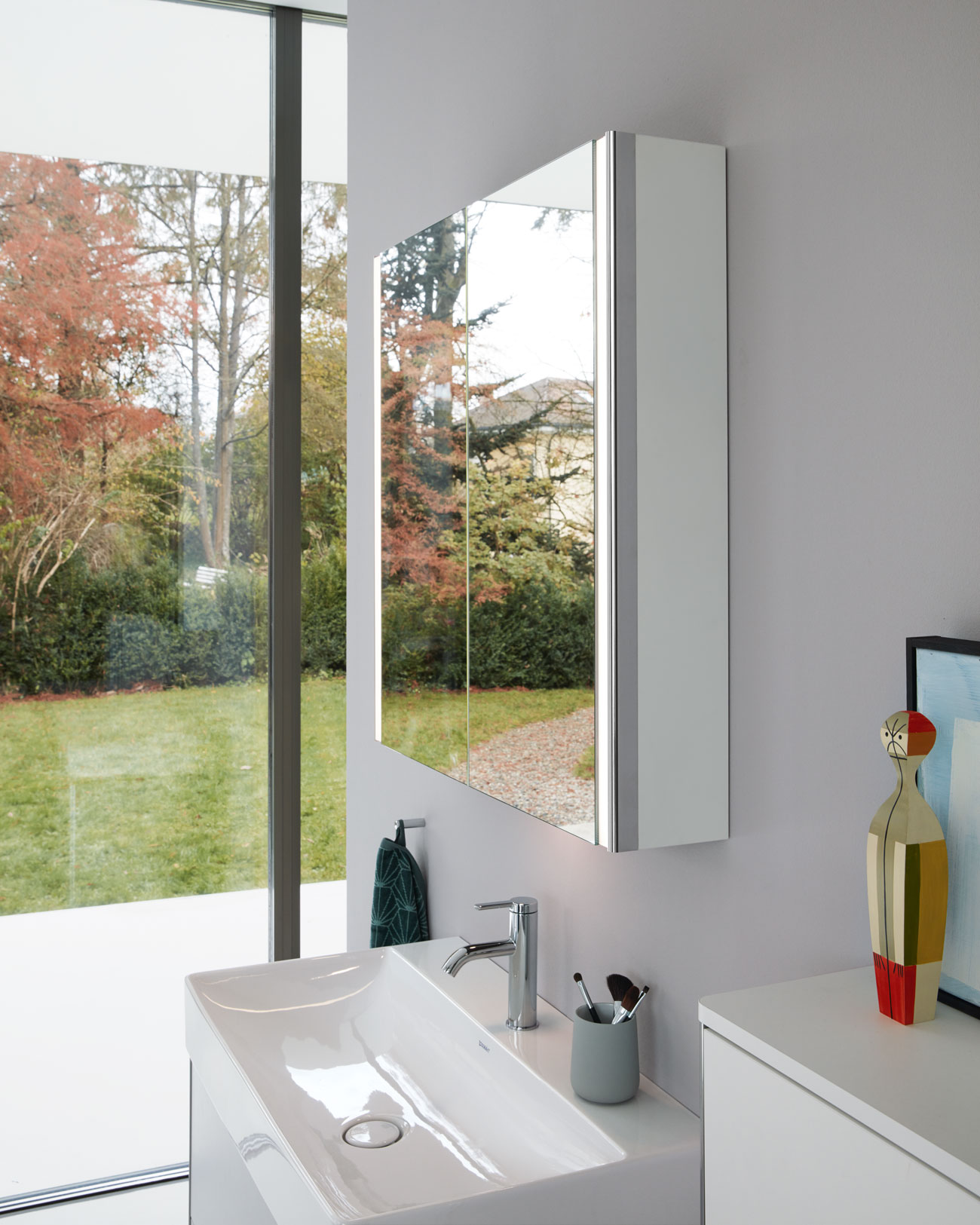
Clean the mirror: Bathroom mirrors
frequently get splashed when you brush your teeth or wash your hands. A little
glass cleaner and a cloth are all you need to keep them clean.
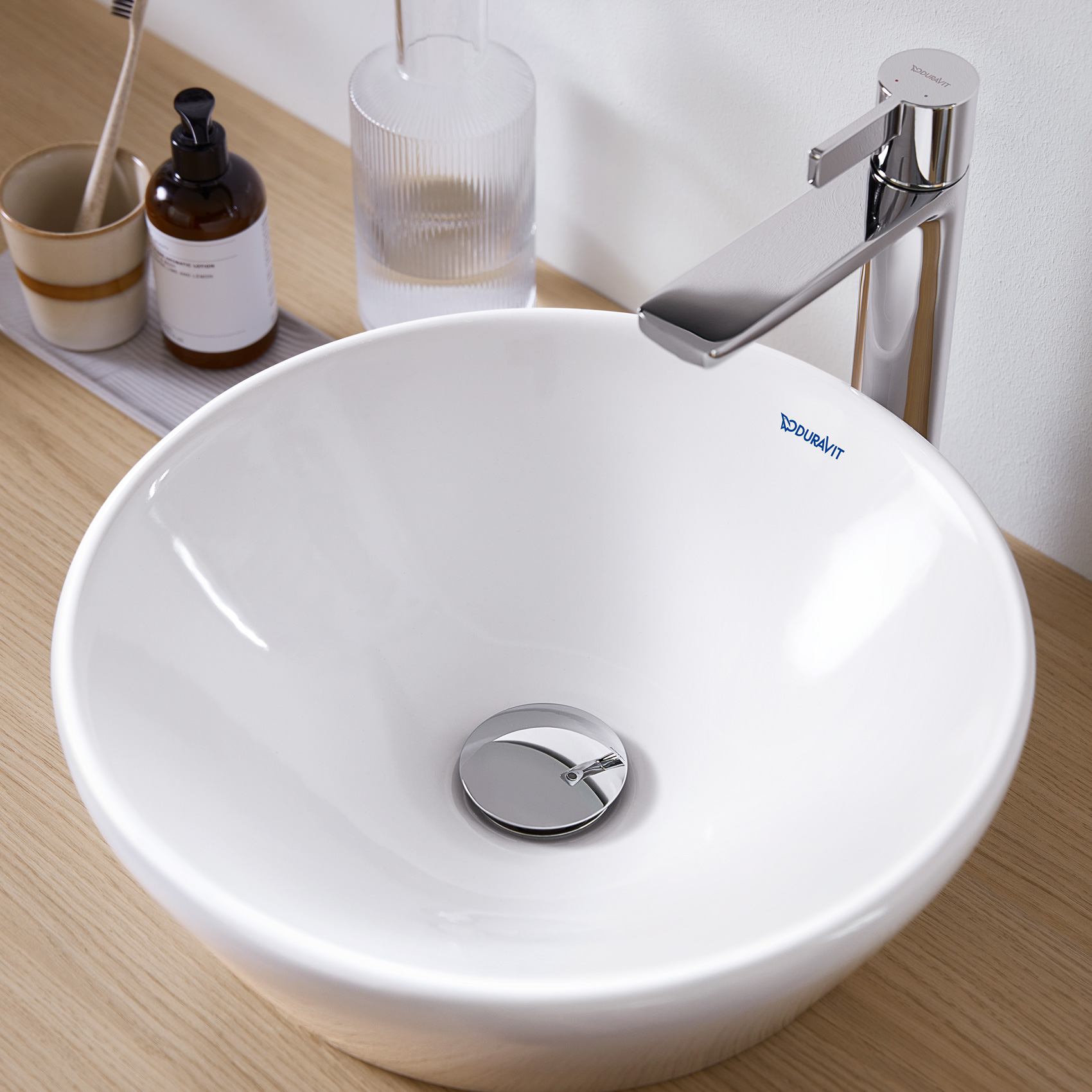
Clean the screen and
drain: Finding hair in the drain is never pleasant. To avoid
this, the best practice is to install a drain screen and remove any hair
immediately after using the shower, bathtub, or sink.
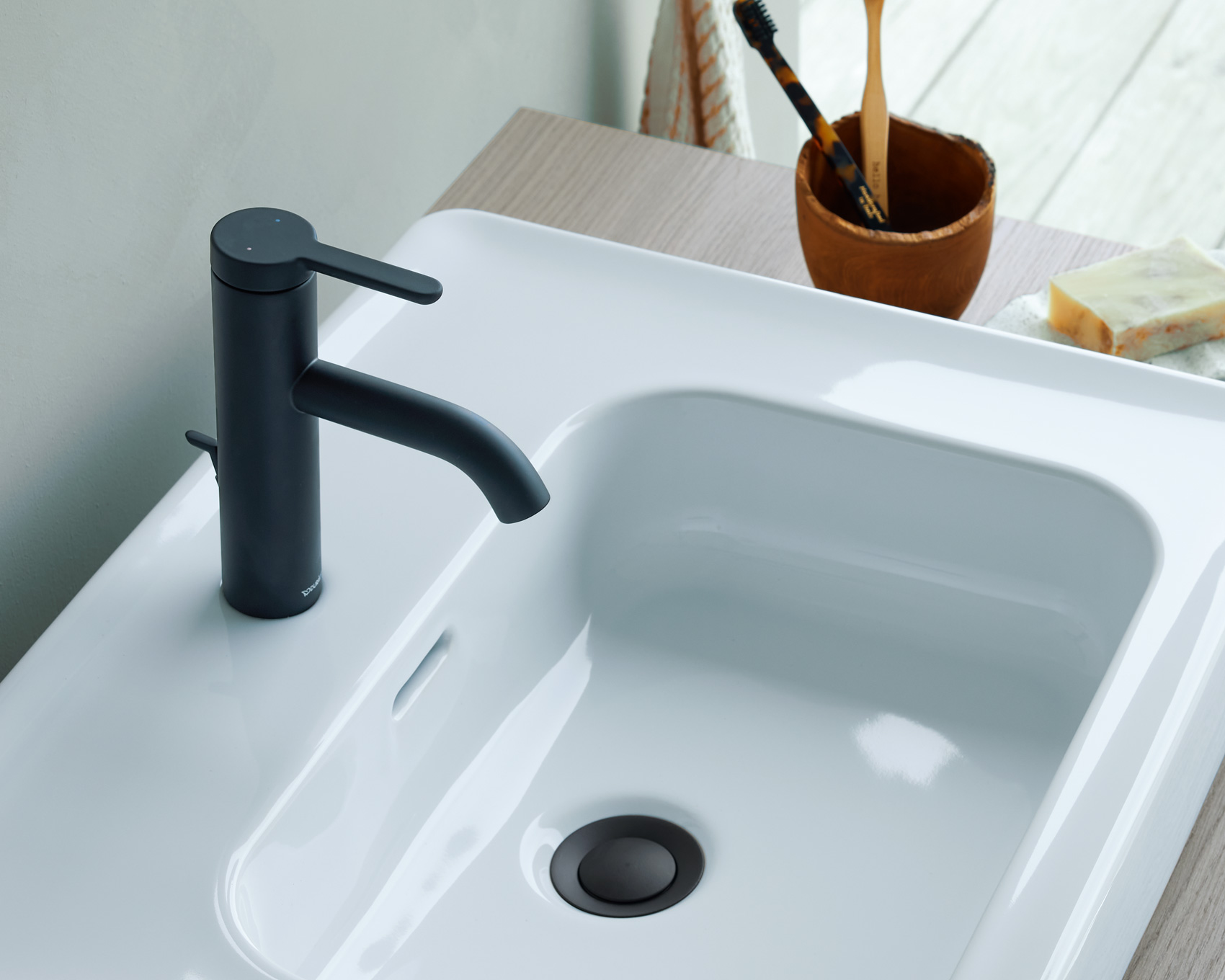
2. Wipe down faucets
Faucets quickly lose their shine with use. Limescale can also quickly build up on them. They should simply be wiped down or toweled off briefly – a cloth is all you need for this, and smaller limescale residues can often be removed with just your bare hand.
Our tip: If limescale has really taken hold, you can find out how to descale faucets, shower heads, etc. in our magazine article.
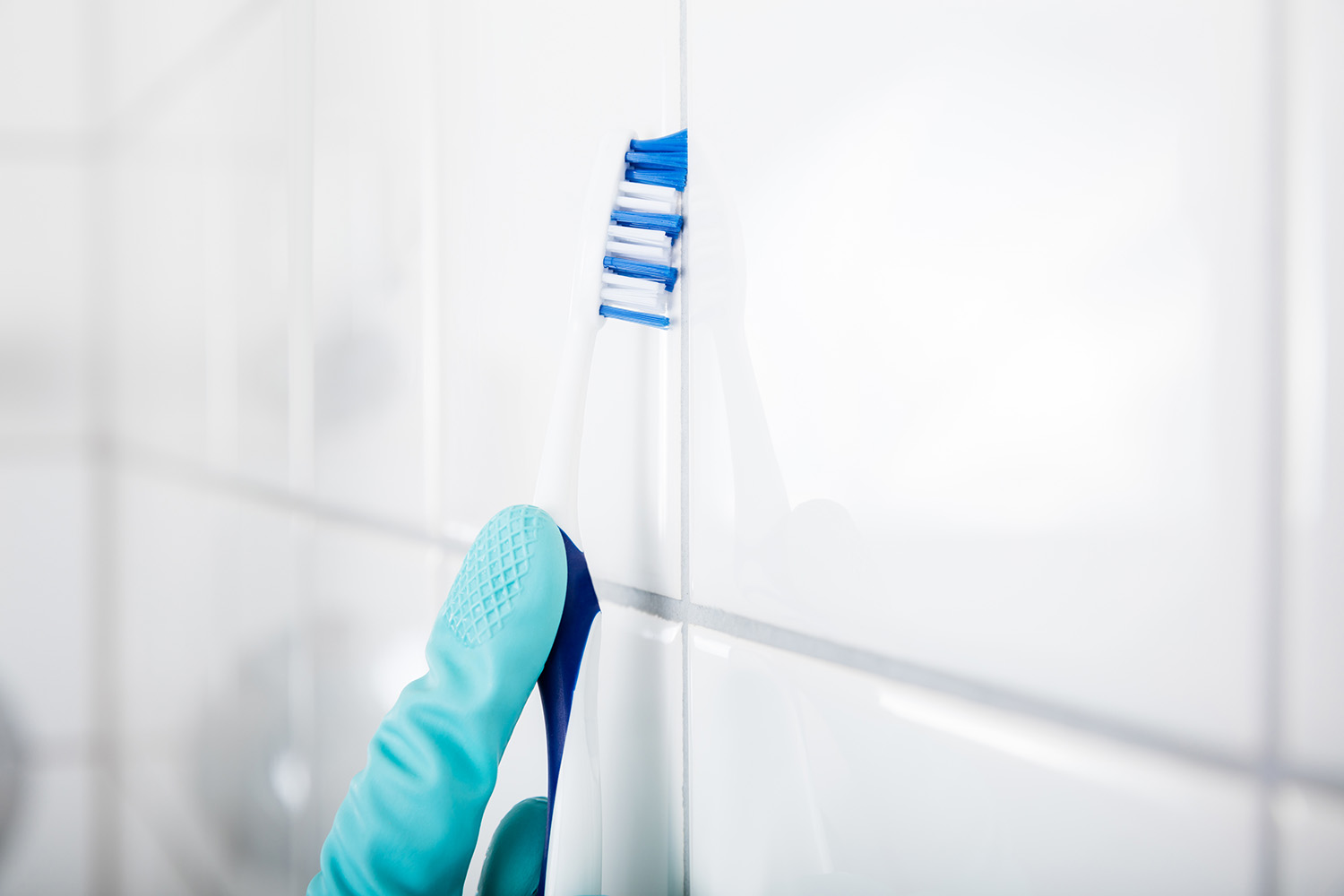
3. Clean grout and tiles
Grout and tiles don't need to be cleaned every week.
But this should be done every other month or so. In our article on the subject,
you'll learn how easy it is to clean grout in the
bathroom.
Good Bathroom Hygiene Thanks to Duravit Features
Cleaning the bathroom is even easier when
you have the right technology. A wide range of Duravit features help to
maintain proper bathroom
hygiene.
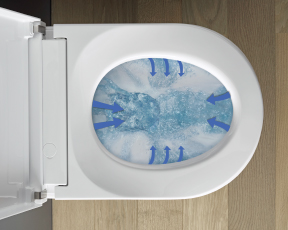
Duravit Rimless®
Rimless toilets, with our Duravit
Rimless® technology, use a powerful and efficient flow of water to capture any
dirt particles and guarantee maximum cleanliness and hygiene in the bathroom. They are extremely
easy to clean, thanks to the easily accessible area around the rim.
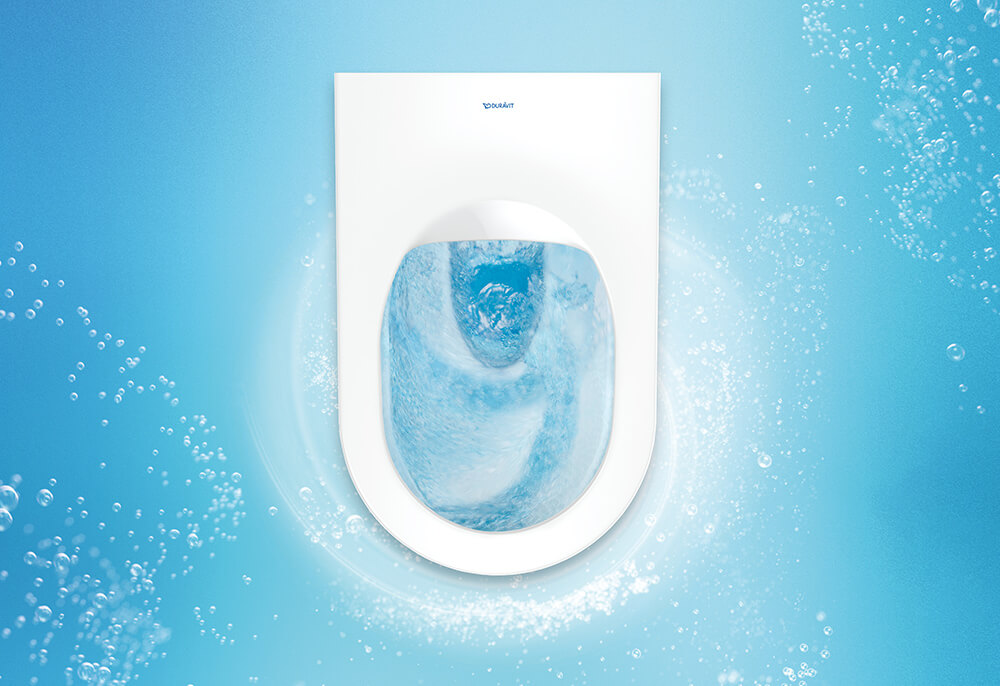
HygieneFlush
Two offset openings ensure that the powerful HygieneFlush flushing flow is set in rotation. This ensures that the entire inner surface of the toilet is optimally cleaned. Independent tests also confirm the efficiency of this new type of surface flush. The open, easily accessible edge area means that the basin is also particularly easy to keep clean, significantly reducing cleaning time and the use of cleaning agents. In combination with the HygieneGlaze antibacterial ceramic glaze, a previously unattained level of hygiene and cleanliness is created.
HygieneGlaze® and DuraShield®
Our HygieneGlaze® antibacterial ceramic glaze is fired into the interior, right up to the rim of the toilet bowl or urinal, and inhibits bacterial growth. In other words, it performs its function best where bacteria are most prevalent. And it does so successfully: after just six hours, 90% of the bacteria (such as E. coli) are inhibited, and after 24 hours, that figure is 99.9% – a level never achieved before. DuraShield® is an even more advanced glaze which, in addition to its antibacterial effect, is extremely dirt-resistant. This makes it particularly easy to clean in everyday life.
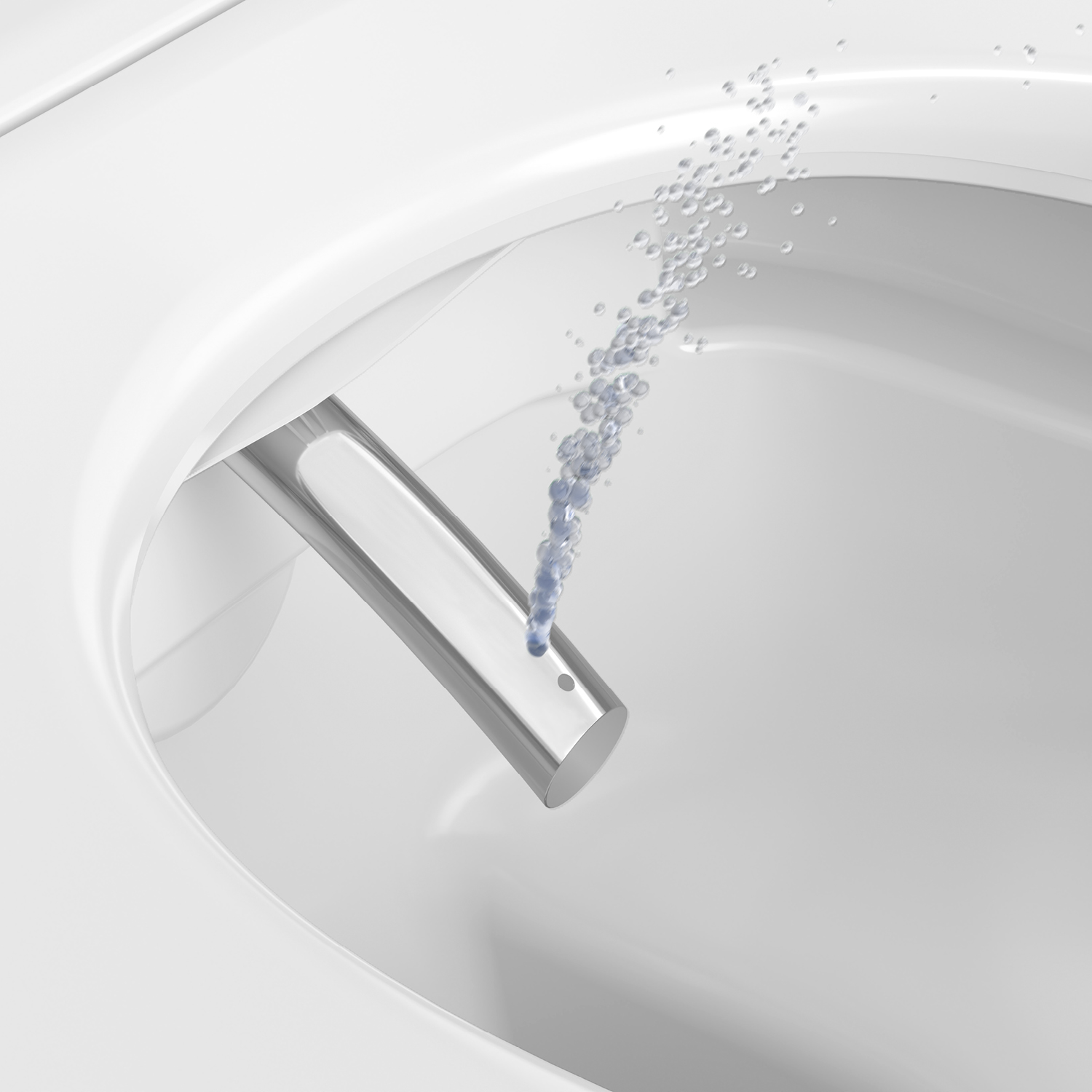
Shower toilets
Nothing is as thorough, as hygienic and as natural as
cleaning with water – even after using the toilet. That's why shower toilets, which combine a
toilet and bidet, are growing in popularity. Much gentler and more soothing
than toilet paper, water is also pleasantly refreshing. Duravit plays a key
role in addressing the issue with SensoWash®: an innovative range of
high-quality shower toilets that meet modern needs – hygienic cleanliness and a
high degree of user comfort, all with a sustainable design.
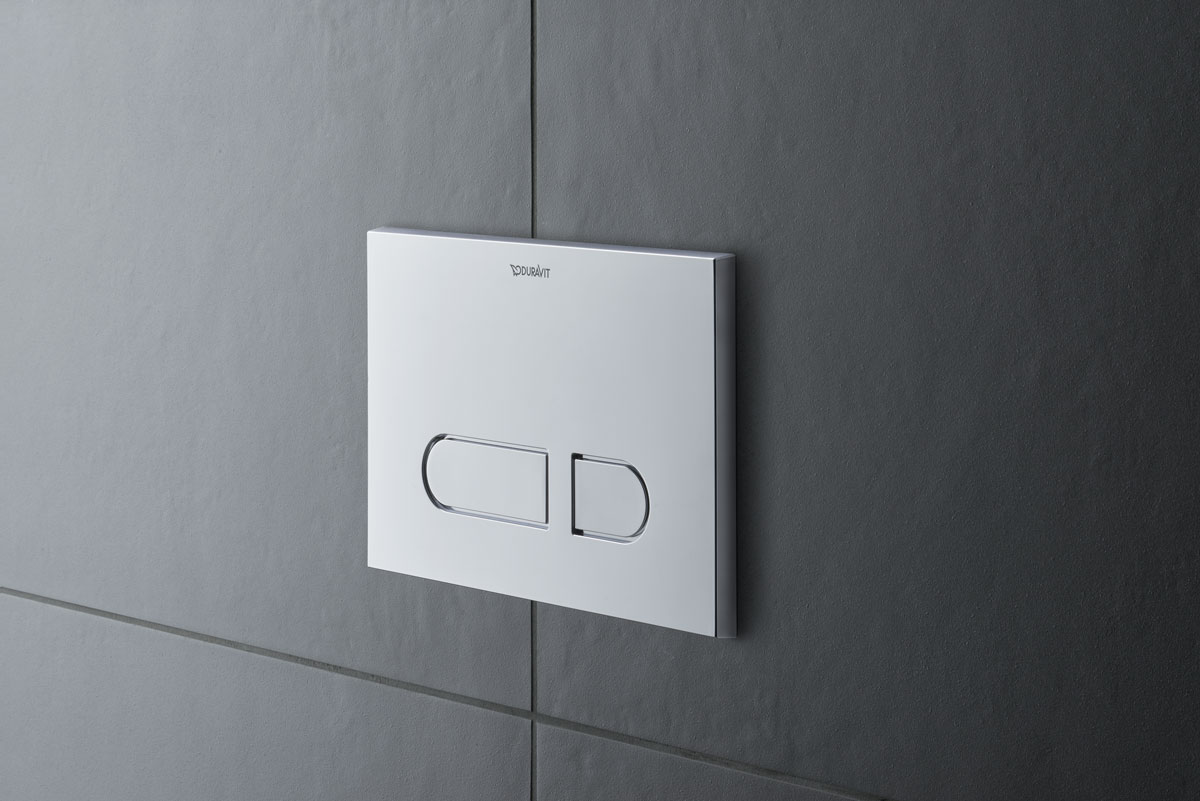
Hands-free cleanliness
Direct contact with sanitary installations often spreads germs. Duravit technologies make it increasingly possible to avoid direct contact altogether. Our DuraSystem has touchless actuator plates, which work by means of an infrared sensor when they are approached or via the supplied remote control. Bathroom mirrors from the series Happy D.2 Plus, Luv, XSquare and XViu can also be controlled via a touchless sensor – for optimal bathroom hygiene.